
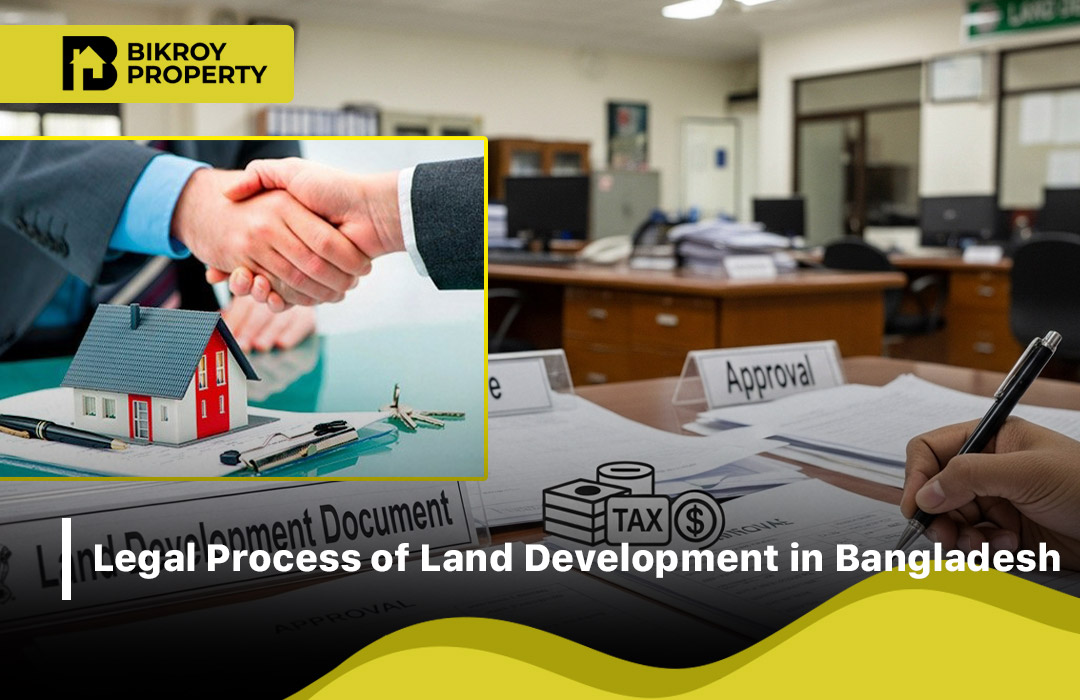
Land is one of the most valuable assets in Bangladesh, and its importance continues to grow due to urban expansion, infrastructure development, and increasing population density. As cities expand and rural areas transform into residential and commercial zones, structured land development has become essential. Land Development in Bangladesh involves converting raw or underutilized land into planned residential, commercial, or industrial property through legal, administrative, and technical procedures.
However, the land sector in Bangladesh is complex due to historical documentation systems, fragmented records, and overlapping ownership claims. Because of this, understanding the legal framework is crucial before starting any development project. Proper legal compliance not only protects investment but also ensures long-term project sustainability.
This guide explains the full legal process, challenges, approvals, and compliance requirements involved in Land Development in Bangladesh in a clear and practical manner.
Legal Framework Governing Land Development
The process of Land Development in Bangladesh is governed by several laws, policies, and administrative procedures. Land laws focus on ownership verification, registration, mutation, zoning, and environmental compliance. Local development authorities and land administration offices supervise most regulatory activities.
The legal framework ensures orderly urbanization, infrastructure planning, and environmental protection. Developers must comply with these regulations before initiating any construction or plot sales. Ignoring legal requirements may lead to financial loss, disputes, or project cancellation.
Importance of Due Diligence
Due diligence is the backbone of successful Land Development in Bangladesh. Before purchasing or developing land, developers must conduct thorough document verification and physical inspections. This process helps confirm legal ownership, detect disputes, and identify restrictions.
Due diligence also ensures that the land is suitable for development in terms of zoning, accessibility, and infrastructure potential. Investors who skip this step often face complications such as ownership conflicts, project delays, and regulatory penalties.
Ownership Verification and Title Search
Ownership verification is the first major step in Land Development in Bangladesh. A clear title ensures that the land can be legally transferred and developed. Developers typically examine historical ownership records to confirm authenticity.
A proper title search involves reviewing past deeds, checking mutation records, and confirming that land taxes have been paid. Legal experts often assist in this process to minimize risk. Without clear ownership, development approvals become difficult and investment security remains uncertain.
Land Acquisition Process
Land acquisition marks the beginning of physical development activities. In Land Development in Bangladesh, land can be acquired through direct purchase, inheritance, lease, or joint venture agreements. A legally drafted agreement protects both buyers and sellers by outlining payment terms, boundaries, and responsibilities.
After acquisition, the deed must be registered to establish legal ownership. Registration ensures government recognition of the transaction and prevents fraudulent claims. This stage is essential for moving forward with development approvals.
Mutation and Record Update
Mutation is a crucial administrative step in Land Development in Bangladesh. It updates government records to reflect the new owner’s name. Without mutation, buyers cannot pay land taxes or obtain development permissions.
Mutation also helps maintain accurate land databases and simplifies future transactions. Although the process can take time due to administrative procedures, it remains mandatory for legal development.
Land Classification and Conversion
Many plots in Bangladesh are categorized as agricultural land. To develop residential or commercial projects, land classification may need conversion. This conversion ensures that development aligns with planning regulations.
In Land Development in Bangladesh, landowners must apply to the relevant authority for conversion approval. The process involves document submission, inspection, and administrative review. Once approved, developers can proceed with planning and construction activities.
Layout Plan Approval
Layout approval is one of the most significant stages of Land Development in Bangladesh. Developers must submit a comprehensive development plan showing road networks, drainage systems, plot divisions, open spaces, and utility infrastructure.
Authorities evaluate whether the project meets urban planning standards and infrastructure requirements. Approval ensures that development is organized, accessible, and environmentally sustainable. Without layout approval, selling plots or constructing buildings becomes legally restricted.
Environmental Clearance
Environmental sustainability is a growing concern in land development projects. For this reason, environmental clearance is mandatory for many developments. In Land Development in Bangladesh, authorities assess potential environmental impacts such as waterlogging, pollution, and ecological disruption.
Large projects may require environmental impact assessments to ensure that development does not harm surrounding ecosystems. Obtaining clearance not only fulfills legal requirements but also enhances project credibility and long-term viability.
Infrastructure Development Requirements
Infrastructure is the foundation of successful land development. Roads, drainage systems, electricity, water supply, and waste management must be planned before project completion. In Land Development in Bangladesh, authorities may require developers to ensure basic infrastructure before marketing plots.
Adequate infrastructure improves property value and attracts buyers. It also reduces future disputes related to access and utility services. Developers who prioritize infrastructure typically achieve better market reputation and customer satisfaction.
Utility Service Permissions
Utility connections are essential for residential and commercial use. Developers must obtain permissions for electricity, gas, water, and telecommunications. These approvals confirm that the project meets service standards and can support future residents.
In Land Development in Bangladesh, utility coordination often occurs simultaneously with infrastructure planning. Early engagement with service providers helps avoid delays and ensures smooth project execution.
Plot Registration and Transfer
Once development is complete and approvals are secured, developers can transfer plots to buyers. Registration of individual plots confirms ownership rights and protects buyers from disputes. This stage represents the final legal step in Land Development in Bangladesh.
Buyers should verify developer approvals, layout permissions, and infrastructure commitments before purchasing. Transparent registration practices strengthen trust in the real estate market.
Common Legal Challenges
Despite growing demand, Land Development in Bangladesh faces multiple challenges. Disputes over ownership, outdated records, and lengthy approval processes often create obstacles for developers. Informal land occupation and fraudulent transactions also complicate development activities.
Administrative delays can slow project timelines and increase costs. However, digitalization and policy reforms are gradually addressing these issues, improving transparency and efficiency.
Role of Professional Developers
Professional developers contribute significantly to structured Land Development in Bangladesh. They manage land acquisition, legal documentation, planning, infrastructure, and marketing. Experienced developers also help investors navigate regulatory requirements and minimize risk.
However, not all developers follow best practices. Therefore, buyers and investors should verify developer reputation, past projects, and approval status before committing to any transaction.
Government Reforms and Digitalization
The government has initiated reforms to modernize land administration and streamline development processes. Digital land records, online mutation systems, and improved zoning policies are transforming Land Development in Bangladesh.
Digitalization reduces corruption, improves record accuracy, and accelerates approvals. These initiatives aim to create a more investor-friendly environment and support sustainable urban growth.
Investment Potential in Land Development
Rapid urbanization and infrastructure expansion have created strong investment opportunities. Suburban areas and emerging economic zones are attracting investors seeking long-term property appreciation. Strategic participation in Land Development in Bangladesh can generate substantial returns.
However, successful investment depends on legal compliance, location analysis, and infrastructure availability. Investors should balance risk and opportunity through careful planning.
Future Trends and Opportunities
The future of Land Development in Bangladesh is shaped by smart city initiatives, sustainable planning, and infrastructure mega projects. Developers are increasingly adopting eco-friendly designs, integrated communities, and digital management systems.
Urban decentralization and transportation improvements are expected to open new development corridors. These trends will expand opportunities for investors and promote balanced regional growth.
Conclusion
The legal process of land development in Bangladesh is comprehensive and multi-layered, involving ownership verification, acquisition, mutation, zoning compliance, environmental clearance, and infrastructure planning. Each step plays a crucial role in ensuring lawful and sustainable development.
Understanding the complete framework of Land Development in Bangladesh helps developers, investors, and buyers reduce risk and maximize returns. With ongoing reforms and technological advancements, the land sector is becoming more transparent and efficient.
By following legal procedures, conducting due diligence, and collaborating with experienced professionals, stakeholders can contribute to organized urban growth and long-term economic development in Bangladesh.


Join The Discussion