
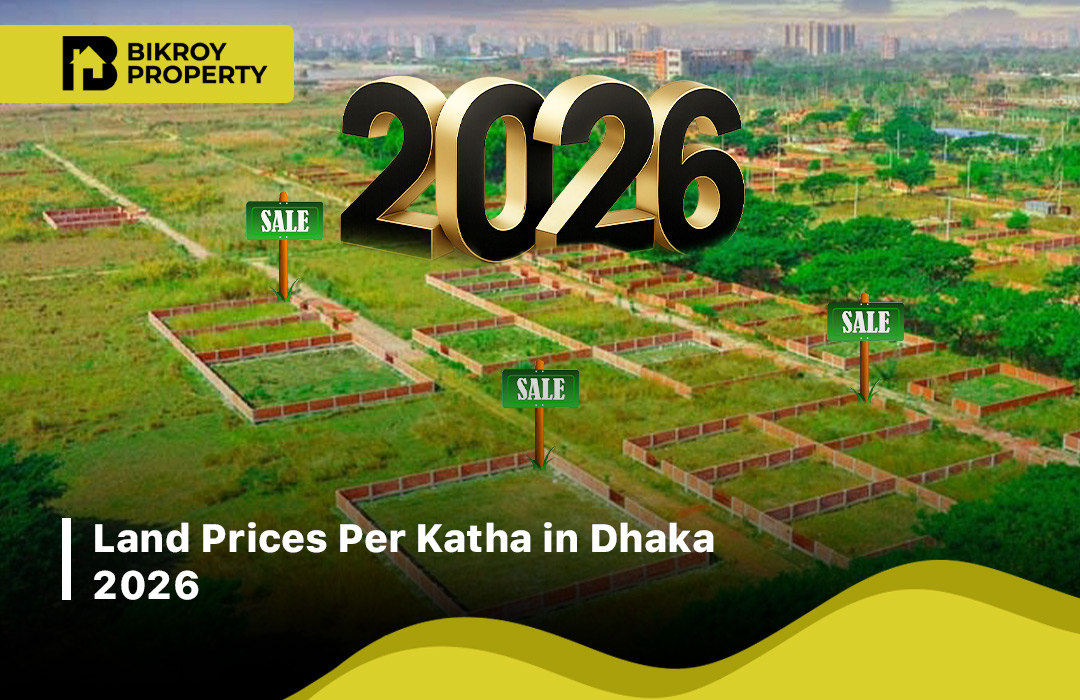
The 2026 land market in Dhaka tells a story that goes beyond numbers. It’s a story about hopes, losses, family choices, long-term investments, and dreams of finding the best place to live. Looking at land prices per katha in Dhaka today isn’t just about comparing prices; it’s also about learning about the areas, how people live, and what the future holds.
Land is usually measured in katha, which is about 720 square feet. For example, in Dhaka, one katha can mean very different things based on where it is used, the buildings around it, and the environment. Citywide, prices vary a lot depending on factors like proximity to major roads, availability of utilities, and overall demand. A better understanding of these trends is necessary for anyone wanting to buy land in Dhaka.
1. The Fancy Neighborhoods: Expensive Living Costs Money
In some of the country’s most exclusive areas in Dhaka, owning land is both a way of life and a smart investment. The city’s real estate jewels include Gulshan, Banani, and Baridhara. The safety, convenience, and social standing of these areas make them highly desirable. Families and businesses come here for the lifestyle these areas offer.
On Gulshan, the most desirable plots can cost more than Tk 17 crore per katha. Prices are often influenced by plot size, road frontage, and distance from major business hubs. Premium rates for Banani and Baridhara villas can range from Tk 10 crore to Tk 25 crore per katha, depending on location and demand.
Real estate purchases in these neighborhoods are often about more than just financial gain. Many locals aim to secure their family’s future while enjoying city conveniences. Highly sought-after plots with modern features, gated communities, and proximity to workplaces, schools, and shopping malls make these areas appealing. For long-term buyers, these neighborhoods are attractive because prices tend to rise steadily.
2. Developed Residential Areas: Great for Families
Beyond the high-end areas, Dhaka has neighborhoods that strike a balance between comfort and cost. Families seeking a well-planned environment without the extreme prices of Gulshan or Baridhara often choose Bashundhara Residential Area, Mohammadpur, and Dhanmondi. These neighborhoods feature organized streets, schools, hospitals, shops, and reliable transport.
For instance, Bashundhara Residential Area has prices around Tk 80–90 lakh per katha, and Mohammadpur averages around Tk 85 lakh per katha. These areas offer convenience, community planning, and accessibility.
Families often choose these neighborhoods for a safe and supportive environment for children while staying close to essential services. Unlike luxury areas, buying land here is usually about long-term goals: building a family home, integrating into the community, and enjoying stable city life.
3. Newtown and Other Affordable and Promising Areas
As Dhaka expands, new neighborhoods have emerged, attracting first-time buyers, young families, and investors seeking growth opportunities. Affordable housing and potential for future value make areas like Keraniganj, Savar, Demra, and the outskirts of Purbachal increasingly popular.
Plots in Keraniganj can be bought for Tk 5–10 lakh per katha in developing zones. Outer areas of Savar, Demra, and Purbachal usually cost between Tk 15–20 lakh per katha, depending on accessibility and connectivity. Secondary areas like Shyampur or Kadamtali may have plots for Tk 30–35 lakh per katha.
While these areas may not have the glamour of Gulshan or Banani immediately, they offer buyers a chance to participate in the city’s growth. Building homes, investing in future value appreciation, and joining developing communities are major attractions. Proposed infrastructure projects, road expansions, and new business hubs could increase these areas’ value over time.
Reasons Why Prices Vary in Dhaka
Understanding why land prices differ across Dhaka is key for buyers and investors. Factors include:
Connectivity: Areas near roads, bridges, or transport hubs command higher prices due to easier access and commuting.
Amenities: Proximity to schools, hospitals, parks, and markets increases property value and makes life more convenient.
Future Growth: Planned infrastructure, like metro lines, flyovers, or business zones, can drive up land values as buyers anticipate price increases.
Legal and Registration Matters: Compliance with legal processes, updated mouza rates, and transparency in property registration affect buyer confidence and prices.
Considering these factors helps buyers make informed choices rather than chasing only the cheapest or most expensive plots. Balancing financial and lifestyle considerations is the smartest approach.
Final Thoughts: Land is More Than a Price
Land prices per katha in Dhaka in 2026 are more than numbers; they reflect life choices. Owning a plot in Gulshan symbolizes success, security, and achievement for some, while buying in Bashundhara, Keraniganj, or Savar may represent starting a family journey, making a smart investment, or building a home from scratch.
In Dhaka, land is more than a financial asset; it’s where dreams unfold, memories are created, and communities grow. Buyers consider both financial and personal reasons, making decisions that satisfy both economic goals and life aspirations.
Overall, Dhaka’s 2026 land market shows a dynamic, opportunity-filled city, whether you’re drawn to the luxury of Gulshan, the balanced comfort of Bashundhara, or the growth potential of Keraniganj. Choosing the right katha means aligning financial objectives with life goals.


Join The Discussion